

Why We’ve Gone Screen-Free And Why It Matters More Than Ever
We've always been passionate about helping children connect with the world around them. And as of this year, we're proud to say we're officially a screen-free camp!!
This means our staff (except for essential camp leaders) will not be using phones while on camp, and while children can bring a phone and leave it in their bag if needed.
Our leaders will just use camp iPads for check in and check out purposes.
Screens are part of nearly every moment. But we also know that stepping away from them – even for a short while – can have a powerful impact on children's wellbeing, development, and ability to connect.

In his powerful new book The Anxious Generation, social psychologist Jonathan Haidt explores how the rise of smartphones and social media has contributed to the dramatic increase in anxiety, depression, and loneliness among young people. He makes a strong, evidence-based case for giving kids a "phone-free childhood" and we couldn't agree more.
Haidt's research shows that face-to-face play, outdoor exploration, and time in nature are critical to children's social development and mental health. These aren't just nice-to-haves, they are foundational experiences that help young people thrive.


Children today are spending more time on screens than ever before. According to Ofcom, the average 5- to 16-year-old in the UK spends nearly 6.3 hours per day in front of a screen. And by the age of seven, children will have spent the equivalent of one full year of their lives on screens.
That's a lot of time not spent outside, not interacting face-to-face, and not building the confidence, creativity and resilience we see develop in nature-based environments.
Being screen-free helps children:
Build deeper friendships through uninterrupted conversations and shared activities
Increase focus and creativity without constant digital distractions
Connect with nature, which has proven benefits for mental health, emotional regulation, and physical wellbeing
Develop independence, confidence and problem-solving skills all in real-world settings.
We're not anti-technology, we're pro-intention. Our team will always have phones available in case of emergency or logistics. But during the day, our staff are fully present with the children, and our camps are designed to offer rich, engaging, real-life experiences that don't rely on screens.
For children who bring a phone, we simply ask that it stays in their bag. They won't need it – they'll be too busy building dens, learning survival skills, sharing stories around the fire, and being kids in the truest sense.
We also understand that friendships made at camp can be lifelong, and we don't want kids to miss out on keeping in touch just because they didn't swap numbers in time. If your child made a new friend and didn't get their details, get in touch, we're more than happy to help reconnect families.
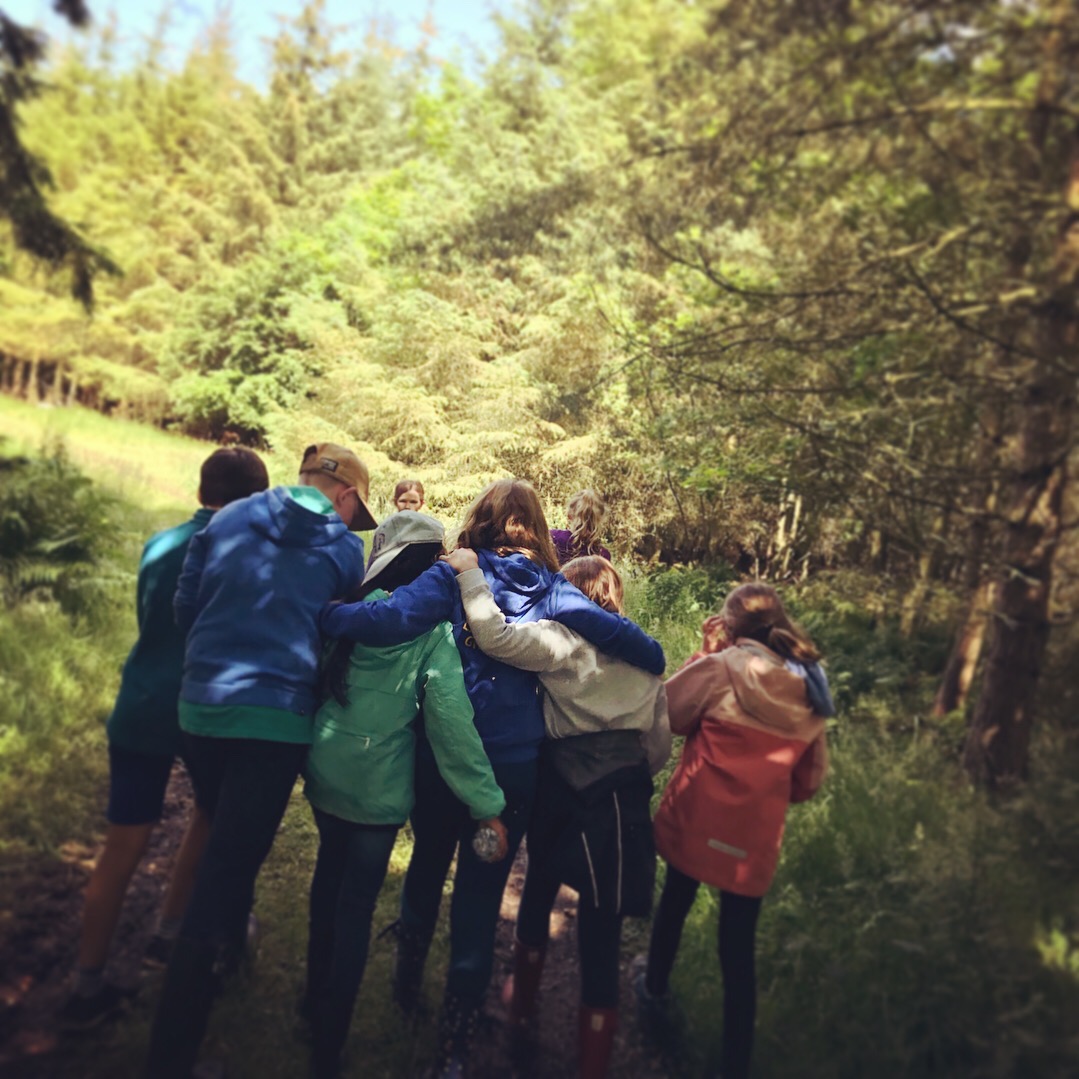

We'd love to see more schools, companies, educators, and families embrace screen-free time, especially in outdoor and developmental spaces.
In a world that's always online, we're creating space to be truly present. And we can't wait to see the difference it makes.
We know navigating screen time isn't easy. If you're interested in learning more about how to support your children in a screen-conscious world, here are some excellent starting points:
1.The Anxious Generation by Jonathan Haidt – A must-read for understanding the mental health crisis affecting today's youth and what we can do about it.
https://jonathanhaidt.com/anxious-generation/
2. Smart Phone Free Childhood
https://smartphonefreechildhood.co.uk/
3. The Children's Commissioner for England – Digital Childhood Report
https://www.childrenscommissioner.gov.uk/blog/the-childrens-commissioner-publishes-digital-childhoods-a-survey-of-children-and-parents/
4. 1000 Hours Outside
https://www.1000hoursoutside.com/
Please feel free to share any information with us also.
It is the small changes that make the biggest difference.